
Momentum is growing: Canada joins the push to modernize landfill methane rules, slashing methane emissions in half in just 10 years
Momentum to reduce methane and air pollution from landfills continues to build across North America! With the release of Canada’s new federal landfill methane regulations, another major jurisdiction has taken a significant step toward addressing methane and toxic pollution that harms nearby communities and fuels climate change. Methane is a carrier gas; when it escapes from landfills, it brings along a toxic cocktail of other harmful pollutants like PFAs, benzene, toluene, and hydrogen sulfide that are associated with severe and long-term health concerns. The millions of people who live near a landfill deserve to be healthy.
Canada actually did not previously have nationwide minimum requirements for landfills to control their methane emissions (some provinces and local governments addressed landfill gas through permits or guidelines). So these new rules mark an important shift toward consistent, enforceable standards across the country.
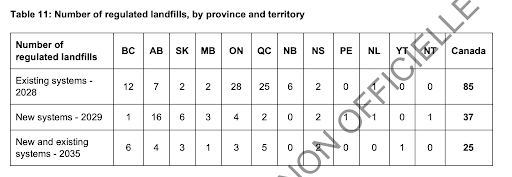
The Regulations are expected to reduce methane emissions from landfills in half by 2035, compared to 2019 levels. It delivers big climate benefits at relatively low cost. Between 2026 and 2040, the regulations are projected to cut about 100 million metric tons of climate pollution, while costing roughly $808 million to implement. In return, the rules are estimated to generate about $9.5 billion in total benefits (page 21). On average, the cost of reducing climate pollution under the rule is estimated at around $8 per ton, making it highly cost-effective.
Canada’s new regulations include:
Applicability based on landfill size and waste-in-place, ensuring larger landfills follow basic methane capture requirements: Landfills that disposed of waste after January 1, 2010 and contain more than 450,000 tonnes of municipal solid waste in place; or Landfills that dispose of more than 20,000 tonnes of waste per year and contain more than 200,000 tonnes of waste in place (beginning in 2025).
Landfills are required to install and operate gas collection systems once annual methane generation reaches 664 tonnes per year — again, ensuring that regulations are targeting large methane emitters. This is very similar to states like Oregon.
Landfills must also conduct annual methane generation assessments. If those assessments show that methane generation has increased beyond what the existing gas collection system can adequately capture, the system must be expanded to recover and destroy the additional methane.
Gas collection leak component detection so that landfill operators catch inevitable problems, like corrosion or improper installation, and correct them.
Requirements for surface methane monitoring with corrective action when elevated emissions are detected, and clear timelines for response and mitigation.
Explicitly allows the Sniffer Drone to be used for monitoring, and notes the Minister can incorporate additional monitoring technologies in the future. This reflects the widespread recognition that manual, human-held monitoring methods miss emissions and that more reliable technologies are needed to find potent emissions.
The regulation is far from perfect. For example, it allows open flares instead of ensuring toxic gases are enclosed and monitored to ensure the gases are actually destroyed instead of released into the air. Yet Canada’s action builds on a broader trend of states and countries updating landfill methane regulations to reflect modern science, improved monitoring tools, and real-world experience. In the United States, a number of states, from Washington to Maryland, have already strengthened landfill methane emissions requirements, and other states are actively exploring similar updates.
Updating landfill methane emissions rules to protect people and our air and water is no longer an emerging idea — it is becoming the norm!
