
Oversight for Landfill Gas-To-Energy
Negative consequences of landfill-gas-to-energy projects
Landfill gas-to-energy projects that generate electricity or fuel must never undermine methane and pollution control. Recent research and EPA inspections have found that landfills with energy projects frequently have high fugitive methane emissions. When poorly designed and without rigorous protocols, energy projects can actually increase fugitive emissions, delay waste reduction and lock in continued landfilling that harms communities and wastes precious resources.
It is critical that landfill-gas-to-energy projects don’t become a backdoor source of uncontrolled methane, and that operators cannot claim “clean” energy for projects that actually raise emissions.
The Problem: Energy Projects Are Not Same Solution As Controlling Methane
Landfill gas–to–energy projects are often marketed as climate solutions and a “beneficial” or “green” use of existing landfill gas. But mounting evidence shows that without strong performance standards, they can do the opposite. While an energy project should naturally incentivize landfill operators to maximize collection efficiency to boost project revenue, the reality is more complex:
Perverse incentive to not collect methane gas: Because operators seek to optimize the quality rather than quantity of collected gas, they may actually collect less methane gas. They could reduce gas collection system vacuum to improve gas quality or protect energy equipment. That choice prioritizes energy output over pollution control, allowing more methane and toxic co-pollutants to escape from the landfill surface.
Fugitive emissions at every step: At electricity projects, some collected gas escapes combustion in turbines or engines, resulting in “methane slip,” and at so-called renewable natural gas facilities, collected gas can leak or vent from treatment system components.
Confusion and Lack of Accountability: Regulators have found that landfill gas-to-energy arrangements can complicate accountability under methane rules because the equipment that captures or combusts landfill gas is sometimes owned or operated by a separate third-party company rather than the landfill itself. In these cases, landfill gas is transferred to outside entities to run gas collection itself, the gas turbine engines or generate electricity but the regulatory framework doesn’t clearly specify which party was responsible for compliance with methane control requirements. CARB actually discovered that some third-party operators interpreted the rules to mean they were not subject to the Landfill Methane Regulation at all, which meant monitoring, reporting, and ensuring that gas control devices met methane destruction standards was up in the air.
Comprehensive remote sensing surveys by EPA and Carbon Mapper have repeatedly detected super-emitter plumes from landfills feeding so-called RNG and electricity plants—clear evidence that leaks, system downtime, and incomplete combustion remain widespread. Enforcement data confirm these risks. For example, the Brent Run Landfill in Michigan owned by Waste Connections, where landfill gas is routed to a third-party energy facility, inspectors documented dozens of methane exceedances, widespread cover failures, distressed vegetation, erosion gullies, and damaged gas collection equipment. EPA ultimately issued a Finding of Violation, citing excess emissions of methane, hydrogen sulfide, VOCs, and hazardous air pollutants—pollution linked to respiratory illness, asthma exacerbation, cancer risk, and severe quality-of-life impacts for nearby communities.
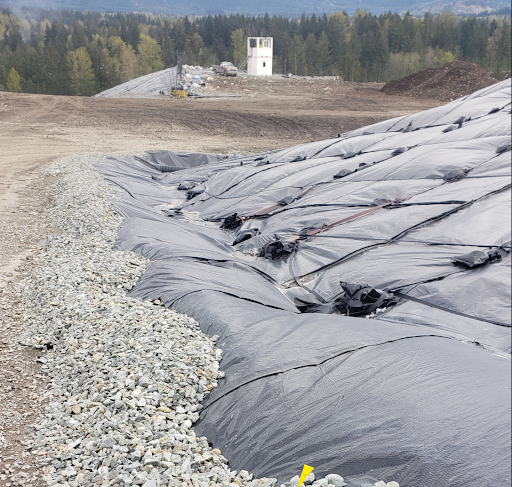
The LRI 304th Street Landfill in the state of Washington has a gas-to-energy plant run by a separate company than the landfill owner, Waste Connections.
An abbreviated surface emissions monitoring survey by the U.S. EPA found: “the tarped area around the meeting of Cells 2B, 3A, 5, and 6 appeared to be visibly inflated with landfill gas, with the tarp being pushed upward away from the surface and held down in place with sandbags and webbing straps, giving the area a quilted appearance. The edges of this section were buried under gravel, and the inflated appearance was stable and constant, independent of wind. Holes in the tarp had strong odors and resulted in measured exceedances over one foot in the air. The TVA had its reading maxed out, indicating explosive concentrations of methane.”
The Solution: Keep Waste out of Landfills. Ensure Energy Projects Have Enforceable Methane Safeguards
There is a clear need to pair landfill energy projects with best management practices and comprehensive methane monitoring programs to maximize and verify landfill gas collection efficiency. Without these guardrails, fugitive methane emissions could cancel out the climate benefits of energy projects and expose fenceline communities to health-harming pollution.
Key requirements to mitigate harmful emissions include:
Close loophole by clarifying responsibility: As California’s 2025 LMR ensures, provide clear owner and operator definitions and associated requirements to ensure landfill energy projects are required to comply with all regulatory standards applicable to the landfill.
Ensure high efficiency performance: Require landfill-gas-to-energy operators to maintain a backup enclosed flare at all times. Mandate continuous exhaust oxygen and temperature monitoring; data must be reported quarterly. Prohibit vacuum reduction for “gas quality” that leads to fugitive methane by requiring landfills that have landfill-gas-to-energy to maintain gas collection efficiency at 90% and to verify it. Energy recovery devices, like engines and boilers, should also be subject to the same monitoring requirements and destruction efficiencies as closed flares (99%).
Verify mitigation: Condition all “renewable energy” or Low Carbon Fuel Standard credits on documented compliance with methane control standards. Require ongoing reporting from landfills, including results from methane monitoring surveys and gas collection system performance data. All monitoring data should be promptly made available to the public, and if a facility has persistent issues, the state should reserve the right to disqualify a project from consideration under the clean energy standard.
As states work to better control methane pollution from waste-in-place, it is critical to implement parallel efforts to divert organic waste from the landfill to avoid future methane generation. We cannot afford to lock in a harmful status quo by continuing to landfill.
Examples from Leading States
Leading states like California’s 2025 LMR explicitly assign compliance responsibility to whichever entity operates landfill gas control equipment, closing loopholes created by third-party gas-to-energy contracts.
The 2025 LMR also updates definitions so that entities that “receive” landfill gas are treated as regulated operators, eliminating loopholes based on how gas transactions are structured. These changes ensure that all gas control devices are subject to monitoring, leak detection, and methane destruction requirements and provide regulators with the information needed to verify compliance without relying on private commercial agreements.
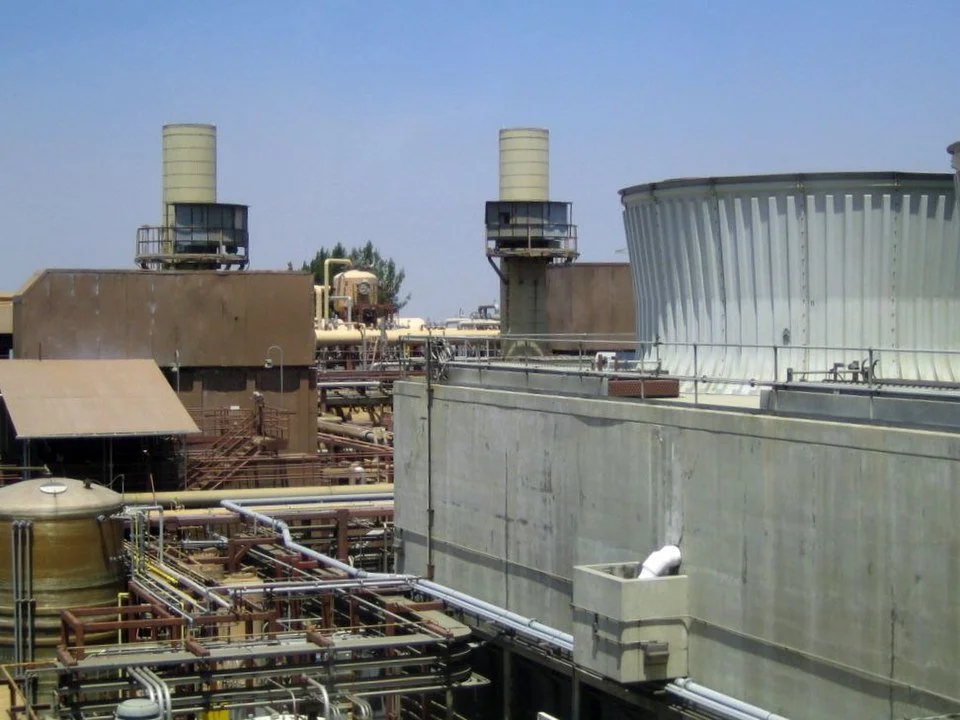
Part of the Puente Hills Gas-To-Energy Facility, using methane gas from the Puente Hills Landfill.
Source: Wikimedia Commons
Costs and Benefits
The costs of proper monitoring are modest. Upgrading flares or engines for continuous monitoring typically costs $10,000–$50,000 per unit, while automated wellhead monitoring and leak detection systems cost a few thousand dollars per well—a fraction of total project costs.
By contrast, uncontrolled leaks, oxygen intrusion, and system failures can result in millions of dollars in lost RNG product, penalties, and liability, not to mention public health harms. EPA has estimated that proper monitoring adds less than 1–3% to overall landfill gas or energy project costs.
Emissions Reductions
Requiring 99% destruction efficiency with continuous exhaust monitoring and backup flaring can reduce fugitive methane by 30–50% at landfills with energy projects. CARB’s modeling shows that comprehensive monitoring and emission controls will achieve major co-benefits by cutting toxic air contaminants, VOCs, and odors near host communities.
Industry Claim: Energy projects maximize methane capture and reduce emissions.
Fact: Without effective requirements, gas-to-energy projects can emit more methane through leaks, slip, and vacuum reduction.
Industry Claim: Continuous monitoring and backup flaring are too costly.
Fact: CARB found these measures are standard industry practice and essential to maintain 99% destruction efficiency; costs are minimal relative to total project investment.