
Gas Capture and Collection System Shutdown
Strengthening rules for when and how gas collection ends
The Problem: Landfills can shut down gas collection while still emitting a lot of methane
Current EPA landfill regulations that most states follow allow gas collection systems to be shut down based largely on the passage of time - 15 years after landfill closure - rather than on actual methane emissions. In practice, this creates a major loophole: landfills can legally turn off gas collection even when they are still releasing substantial amounts of methane. Real-world data show that many closed landfills continue generating methane for decades after closure, meaning time-based shutdown rules fail to protect the climate and nearby communities.
Federal rules allow gas collection systems to be shut down - without regulator approval - 15 years after closure. Yet at the same time, nearly all of landfills in California that stopped accepting waste more than 20 years ago still meet the threshold to comply with the Rule, meaning they still generate significant amounts of methane. For example, an California landfill has continued to release significant amounts of methane for thirty years following its closure, and the state regulator anticipates it will require GCCS until 2060, seventy years post-closure. Despite it being a closed landfill for over 45 years, homes near the Cliffdale Landfill in North Carolina must rely on methane detectors, and one home has faced repeated evacuations due to explosive levels of methane.
Methane generation simply does not reliably decline on a fixed timeline, yet that is exactly what regulations go by. In addition, stronger gas collection shutdown requirements are necessary to ensure that declining gas recovery is not mistaken for declining gas generation. Low gas flow rates can be a sign of problems with the gas collection system or landfill cover, such as damaged wells or system leaks, rather than a true reduction in methane production. CARB staff have observed cases where landfill operators believed gas generation had declined, only to discover that broken wells were allowing air intrusion and reducing collection efficiency; once the system was repaired, gas flow increased and continuous operation resumed. Without clear requirements to evaluate system performance before allowing reduced or intermittent operation, operators may prematurely scale back gas collection while methane emissions continue.
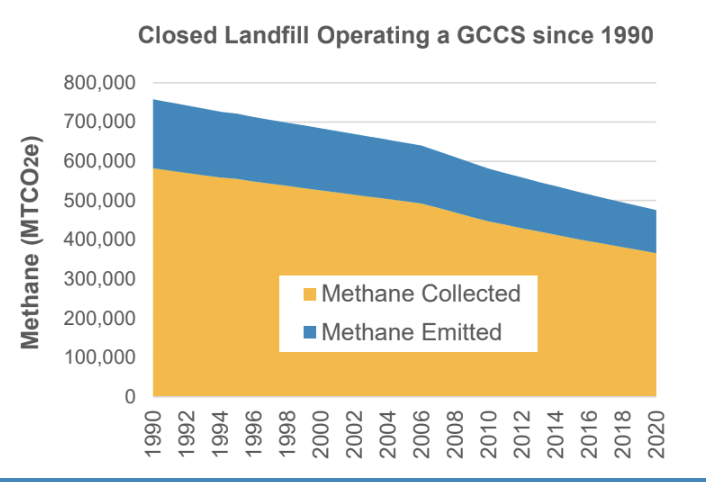
Source: California Air Resources Board
The Solution: Don’t Shut Down Gas Collection When You’re Collecting A Lot of Methane
There is a simple fix to premature shutdown of gas collection systems: tie gas collection shutdown decisions to emissions, and require operators to demonstrate that the gas collection system and landfill cover are functioning properly and that surface emissions are under control before reducing operations. California’s state landfill methane regulations were updated to address this problem. CARB now requires that to permanently turn off or remove gas collection, a landfill should be required to prove, using several years of monitoring data, that methane emissions are steadily declining and unlikely to increase again. This demonstration must include long-term gas flow and methane concentration data, surface emissions monitoring showing no exceedances, an analysis of future emissions risk, and independent certification confirming that continued gas collection is no longer necessary. Requiring multiple years of surface monitoring without exceedances helps ensure that methane is being captured rather than escaping through the landfill surface. These safeguards are necessary to confirm that reduced gas collection truly reflects declining gas generation, not a failing system.
Colorado’s landfill gas shutdown requirements also reject time-based shutdowns and condition system removal on demonstrated emissions performance.
If a landfill is allowed to permanently shut down its gas collection system, it should still take steps to control methane and prove emissions remain low. Colorado requires the use of biocovers as a passive methane control option at closed landfills when gas control devices are shut down. These biofilters use naturally occurring bacteria to convert methane into less harmful gases, can be connected to existing gas collection systems or passive vents, and must be designed to work under local climate conditions. Colorado also requires monitoring to confirm methane is reduced to safe levels, allowing monitoring to end once methane concentrations are very low or the landfill’s post-closure obligations have been completed.
The approach is both practical and necessary. Landfills already collect the data needed to make these demonstrations, and analysis shows that continued gas collection is feasible and effective at many closed landfills well beyond the minimum federal timeline.
By closing the shutdown loophole, states can prevent avoidable harmful emissions, strengthen regulatory integrity, and ensure that landfill methane rules deliver real, lasting climate and public health benefits.
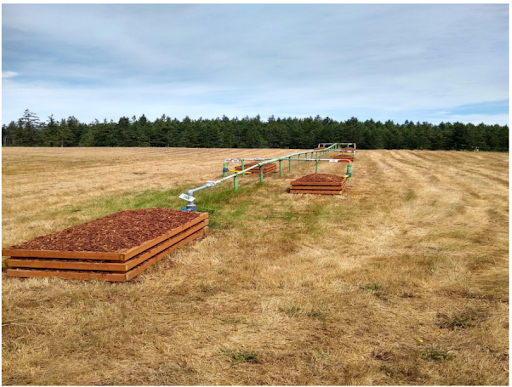
Example of landfill biofilters. Image from Colorado Air Pollution and Control Division presentation.
Costs and Benefits
Because these changes largely clarify existing processes and oversight, additional costs are not anticipated. CARB’s cost analysis found that no landfills currently operating a gas collection system would have been able to permanently shut it down within the analysis timeframe anyway, because other rules, such as requirements from the State Water Resources Control Board and local air districts, still require these systems to remain in operation.
Industry claim: Landfills will have to operate forever.
Fact: GCCS shutdown provisions tied to emissions do not mandate indefinite operation; they require that shutdown decisions be based on demonstrated methane emissions rather than an arbitrary timeline.
CARB’s Landfill Methane Rule allows permanent shutdown once monitoring data show sustained, declining methane generation and continued compliance with surface emissions monitoring standards. Ensuring gas collection follows real-world emissions behavior is a needed fix.